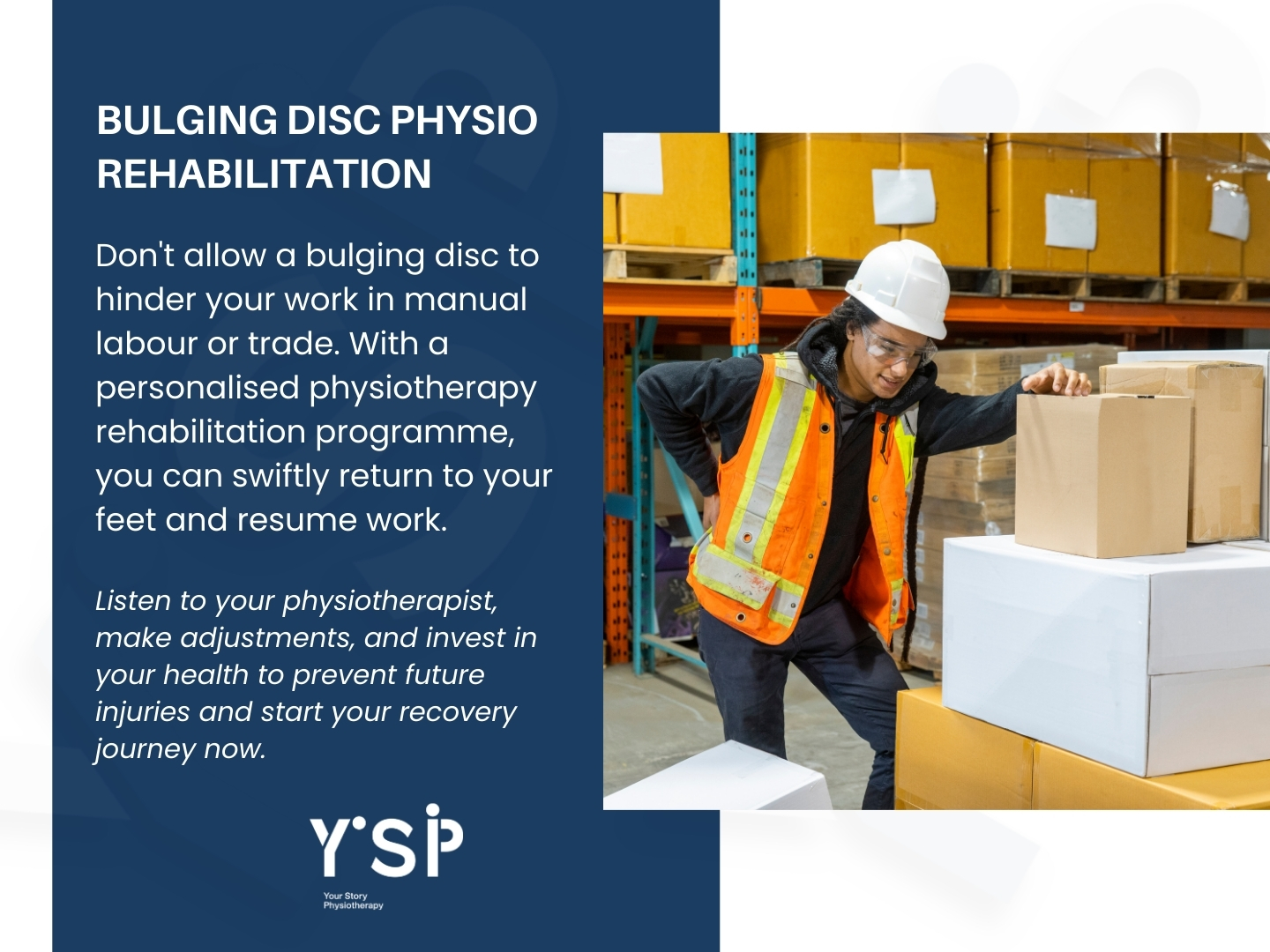
Manual labour and trade occupations can be physically demanding, often leading to injuries such as bulging discs. Have you been struggling with back pain due to your job? It’s important to seek proper physiotherapy rehabilitation to avoid long-term issues and get back to work safely.
Workers in manual labour and trade occupations are at a higher risk of developing musculoskeletal injuries, including bulging discs. These injuries can be debilitating and impact your ability to work effectively. Seeking proper rehabilitation is essential to prevent further damage and promote healing.
If you are in a manual labour or trade occupation and have been diagnosed with a bulging disc, it’s crucial to undergo WorkCover physiotherapy rehabilitation tailored to your specific needs. By addressing the root cause of your injury and strengthening the surrounding muscles, you can improve your overall function and reduce the risk of future injuries.
What is a bulging disc?
A bulging disc is a condition that occurs when the soft inner part of a disc in your spine pushes out through a weak spot in the tough outer layer. Discs are flat, rubbery cushions that sit between the bones (vertebrae) in your spine. They act as shock absorbers and help your spine move.
Bulging discs can occur in any part of your spine, but they are most common in the lower back (lumbar spine). They are a common cause of back pain and sciatica, which is pain that radiates down the back of your leg.
Physio-rehabilitation treatment for a bulging disc
Physiotherapy is a very effective treatment for a bulging disc. It can help reduce pain, increase strength and flexibility in the affected area, and prevent future recurrences.
Here are some of the common physiotherapy techniques used for bulging disc rehabilitation:
1. Manual therapy
Manual therapy techniques used in bulging disc physiotherapy rehabilitation may include:
-
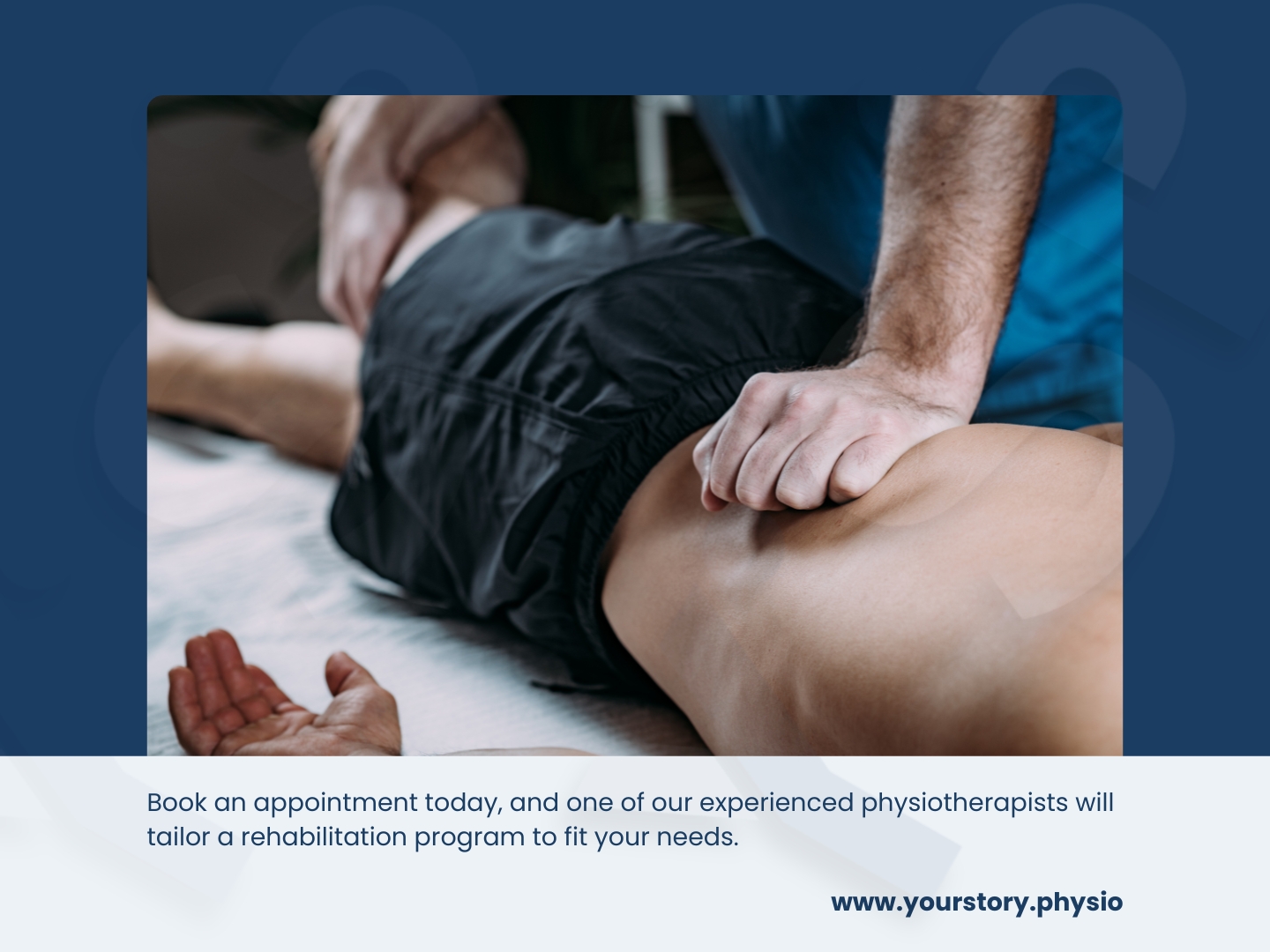
- Spinal mobilisation: This technique involves using gentle, controlled movements to improve joint mobility and function in the spine.
- Soft tissue mobilisation: This technique involves using massage or other hands-on techniques to improve blood flow and reduce inflammation in the muscles and soft tissues around the spine.
- Dry Needling: This can often be the most gentle treatment option to assist with muscle relaxation and help with your recovery
2. Exercise therapy
Exercise therapy is an essential component of bulging disc physiotherapy rehabilitation. A physiotherapist will design a specific exercise program for each patient, which may include:
-
- Core strengthening exercises: These exercises help strengthen the muscles that support the spine, which can help improve stability and reduce pain.
- Stretching exercises: These exercises help improve flexibility in the muscles and soft tissues around the spine, which can help reduce pain and improve range of motion.
- Aerobic exercise: This type of exercise can help improve overall fitness and cardiovascular health, which can help improve pain and function.
You can find a lot of back exercises on Youtube – some of them can make you better and others can make you worse. It is best to seek the guidance of your physiotherapist to make sure you are doing the right exercises for your back
3. Education
Education is also an important part of bulging disc physiotherapy rehabilitation. A physiotherapist will educate patients about their condition, including the anatomy of the spine, the causes of bulging discs, and how to prevent future injuries.
If you are in a manual labour or trade occupation and have been diagnosed with a bulging disc, physiotherapy rehabilitation can be a safe and effective way to help you recover and return to work.

The benefits of physiotherapy rehabilitation for bulging disc
- Reduced pain
- Improved mobility and function
- Increased strength and flexibility
- Improved quality of life
Tips for preventing bulging disc injuries
- Maintain good posture: When standing, sitting, or lifting, keep your spine in a neutral position. Avoid slouching or rounding your shoulders.
- Use proper lifting techniques: When lifting heavy objects, bend at your knees and keep your back straight. Avoid lifting with a twisted back.
- Strengthen your core muscles: Strong core muscles can help support your spine and prevent injuries.
- Take breaks: When working for long periods, take breaks to stretch and move around.
- Maintain a healthy weight: Being overweight or obese can put extra strain on your spine.
- Quit smoking: Smoking can reduce blood flow to the discs in your spine, which can make them more susceptible to injury.
- Apply heat or ice: Heat can help relax muscles and ice can help reduce pain and inflammation.
- Practice relaxation techniques: Stress can worsen pain.
If you are experiencing pain in your back, it is important to see a physiotherapist to get a diagnosis. Early diagnosis and treatment can help prevent the condition from worsening.
Final thoughts
Don’t let a bulging disc slow you down in your manual labour or trade profession. With the right physio rehabilitation program tailored to your needs, you can get back on your feet and back to work in no time.
Take care of your body, listen to your physiotherapist, and make the necessary adjustments to prevent future injuries. Your health and well-being are worth investing in, so don’t wait any longer to start your road to recovery!